
Education & Innovation
From Stone to Shower: The History and Science Behind Mineral Composite Shower Pans
How decades of material innovation produced one of the most durable, beautiful, and practical shower surfaces available today.
By Shower Pans LLC • Education & Innovation • 5 min read
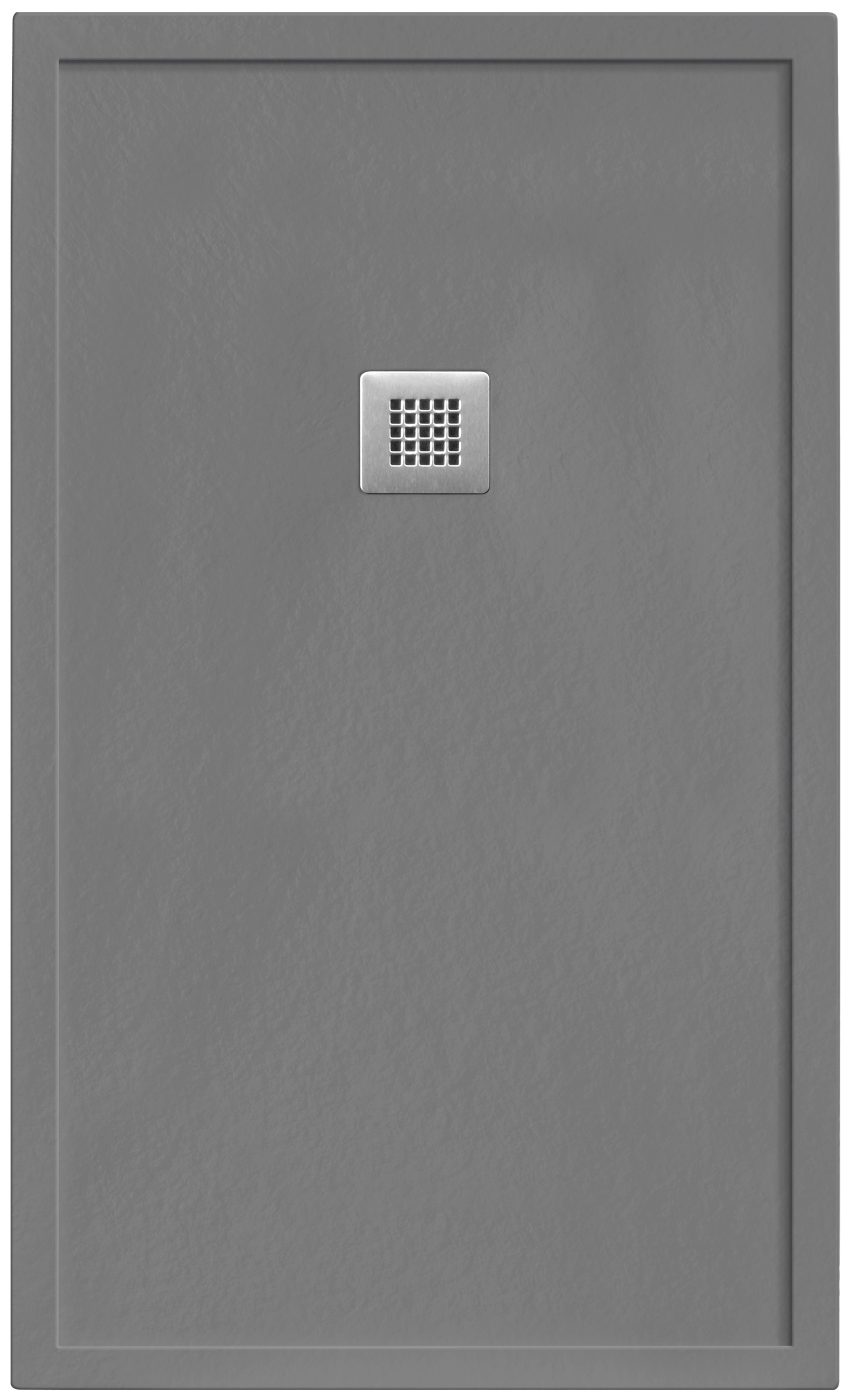
Marco Nature — stone resin in grey |
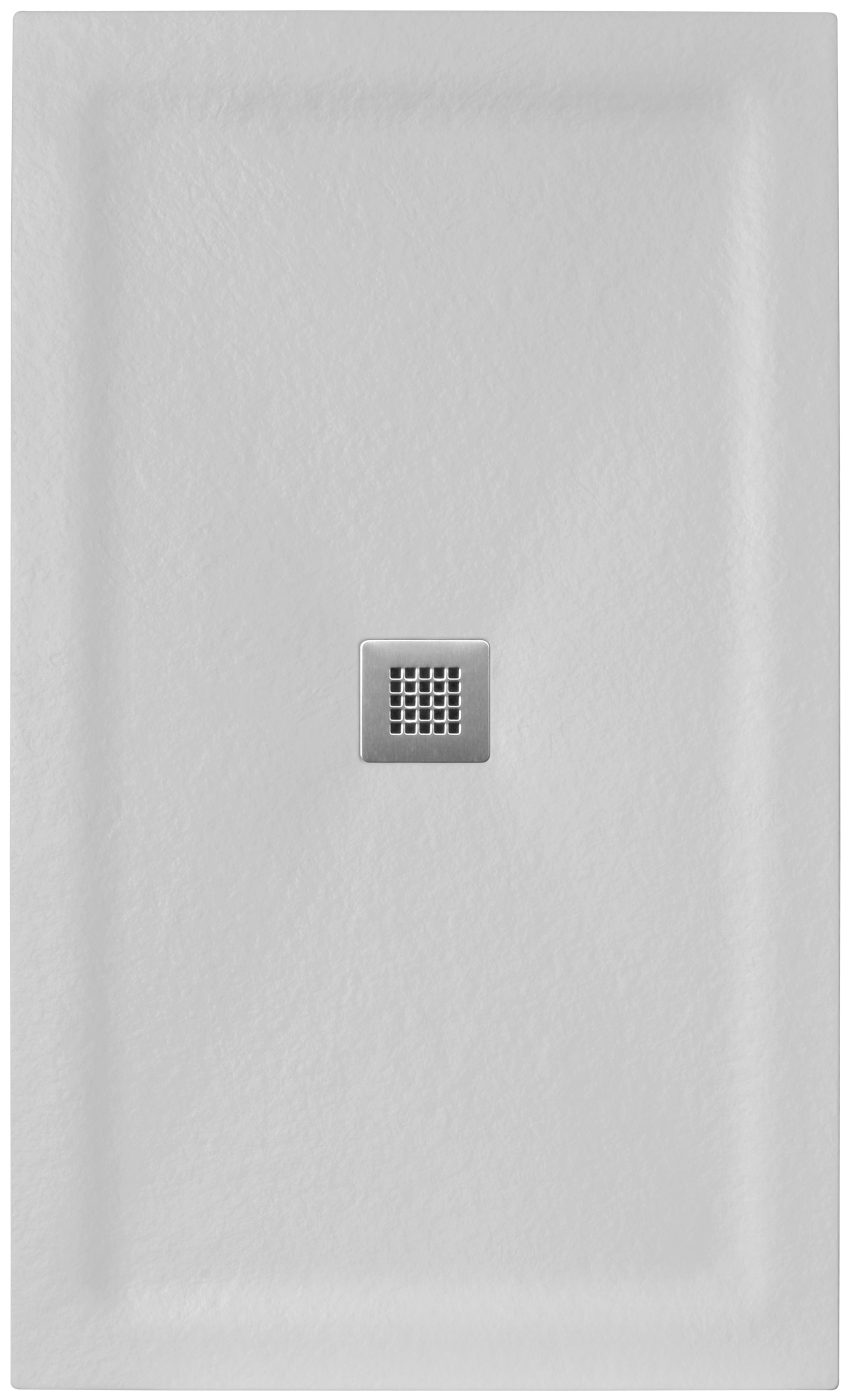
Premium — stone resin in white |
“Stone resin is not a new idea. It is the result of decades of material science, refined and perfected into a product that brings the beauty of natural stone into the modern bathroom without any of the drawbacks.”
When you step into a shower fitted with a mineral composite pan, you are standing on something that is the product of over half a century of material engineering. It feels like stone. It looks like stone. In many ways, it essentially is stone. But the story of how it got there is a fascinating journey through chemistry, craftsmanship, and the evolving demands of the modern home.
Most homeowners choose their shower pan based on looks and price without ever thinking about what it is actually made of or why the material matters. This post changes that. Understanding the history and science behind mineral composite shower pans will help you make a smarter, more informed decision the next time you renovate.
What you will learn in this post
| 1. | Where the idea of composite stone materials came from |
| 2. | How mineral composite shower pans are actually made |
| 3. | What makes stone resin scientifically different from other materials |
| 4. | Why it is uniquely valuable for homeowners today |
Where it all began: the problem with natural stone
For most of human history, stone was the premium choice for wet environments. The Romans built their bathhouses from marble and granite. Medieval castles had stone floors in their wash rooms. Natural stone is beautiful, durable, and timeless. But it comes with serious practical limitations that made it challenging to use in the modern home.
Natural stone is heavy, expensive, porous, and inconsistent. Every slab is different, making it difficult to manufacture standardized products. It requires regular sealing to resist water penetration, and when it is not properly maintained, it stains, cracks, and harbors bacteria. For a shower floor that needs to handle daily use, constant moisture, and soap and shampoo residue, raw natural stone creates more problems than it solves.
By the mid-20th century, the construction industry was looking for a better answer. The question was simple: could engineers create a material that captured the look, feel, and durability of natural stone while eliminating its weaknesses? The answer, developed over decades of experimentation, was mineral composite.
The rise of engineered stone: a brief history
The foundational science behind mineral composite materials traces back to the 1960s, when material engineers in Europe began experimenting with combining crushed natural minerals with synthetic binders to create surfaces that performed better than either component alone. The earliest applications were in countertops and flooring, where the combination of mineral hardness and resin flexibility produced something genuinely new: a surface with the density and appearance of stone and the workability and consistency of a manufactured product.
Italian and German manufacturers were among the earliest pioneers, driven by strong design cultures that demanded premium aesthetics without the limitations of raw materials. By the 1980s, engineered stone was gaining traction in European kitchen and bathroom design, valued for its uniformity, performance, and ability to be cast into precise shapes that natural stone could never achieve.
Through the 1990s and into the 2000s, the technology migrated into shower products specifically. Manufacturers realized that the same properties that made mineral composite excellent for countertops made it ideal for shower bases: non-porous, impact-resistant, moldable into precise drainage slopes, and capable of achieving a warm, stone-like feel underfoot that fiberglass and acrylic simply could not replicate.
“European designers had a simple goal: all the beauty of natural stone, none of the maintenance. Mineral composite was the answer.”
How mineral composite shower pans are made
Understanding what goes into a mineral composite shower pan helps explain why it performs the way it does. The manufacturing process is more sophisticated than most homeowners realize, and the specific formulation of materials is what separates a truly premium pan from a budget alternative.
The raw materials
Mineral composite shower pans start with natural stone aggregate, typically crushed marble, quartz, granite, or a blend of these minerals. The stone is processed into a fine powder or small particles, depending on the desired surface texture and density of the finished product. This mineral content typically makes up between 70% and 90% of the final pan by weight, which is why stone resin pans feel so noticeably heavy and solid compared to acrylic or fiberglass alternatives.
The remaining material is a high-grade resin binder, usually a polyester or acrylic-based polymer, that acts as the glue holding everything together. The resin is carefully selected for its ability to bond with the mineral particles, its resistance to water and chemicals, and its flexibility, which prevents the finished product from becoming brittle.
The mixing and casting process
The crushed stone and resin are combined under controlled conditions to ensure a consistent mixture throughout the entire pan. This uniformity is one of the key advantages over natural stone, where variations in the raw material are impossible to control. The mixture is then poured into precision molds that incorporate the exact drainage slope, texture, and dimensions of the finished pan.
The material is cured under heat and pressure, a process that causes the resin to harden and bond permanently with the mineral particles. The result is a monolithic, one-piece structure with no seams, no joints, and no weak points. Unlike tile installations that are assembled from dozens of individual pieces, a cast mineral composite pan is a single solid unit from edge to edge.
The finishing process
After curing, the surface is finished to achieve the desired texture, whether that is a smooth matte, a fine stone-like grain, or a textured anti-slip surface. Pigments can be incorporated at the mixing stage or applied as a surface treatment, allowing manufacturers to offer a wide range of colors while maintaining the mineral character of the material. At Shower Pans LLC, our stone resin pans are available across the full RAL color spectrum, with the anti-slip texture built directly into the surface rather than added as an afterthought.
What makes it scientifically different
The properties of mineral composite are not accidental. They are the direct result of the material science behind its composition. Here is what sets it apart at a fundamental level:
|
✓
|
Non-porous by nature. The density of the mineral and resin matrix means there are no microscopic pores for water, bacteria, or mold to penetrate. This is fundamentally different from natural stone, which is porous and requires sealing, and from grout, which is notoriously difficult to keep clean. |
|
✓
|
Thermal mass and warmth. The high mineral content gives stone resin excellent thermal mass, meaning it absorbs and retains heat. This is why a stone resin shower floor feels noticeably warmer underfoot than tile or acrylic, particularly in cooler climates or during winter months. |
|
✓
|
Impact resistance without brittleness. Pure stone shatters under impact. Pure resin flexes but lacks hardness. The combination of the two creates a material that absorbs impact energy through slight flex at the resin level while the mineral matrix resists surface damage. The result is a pan that is far more chip and crack resistant than either component would be alone. |
|
✓
|
Chemical stability. The cured resin matrix is chemically inert, meaning it does not react with the soaps, shampoos, cleaning products, or hard water minerals it encounters daily. This is why stone resin pans do not yellow, stain, or degrade the way acrylic and fiberglass do over time. |
|
✓
|
Dimensional precision. Because the material is cast in molds rather than cut from a slab, every pan can be manufactured to precise tolerances, including the exact drainage slope needed for proper water flow. This eliminates the guesswork and skill-dependence of a tile-and-mortar floor build. |
Why it matters for homeowners today
All of this science translates into something very practical: a shower pan that looks better, performs better, and lasts longer than any alternative at a comparable price point. A stone resin pan installed today should still be performing flawlessly in 40 to 50 years, long after an acrylic pan would have yellowed and cracked, and long after a tiled floor would have required multiple rounds of re-grouting and waterproofing repair.
For homeowners, that longevity represents real financial value. The upfront cost of a quality mineral composite pan is higher than a budget acrylic option, but when you factor in the cost of replacement, repair, and maintenance over the life of the bathroom, composite consistently comes out ahead.
Beyond the financial argument, there is the quality-of-life argument. A bathroom that stays beautiful with minimal effort, that feels warm and luxurious underfoot, and that does not require a Saturday morning scrubbing session to keep clean is simply a better bathroom to live with every day.
The bottom line
| ✓ | Mineral composite is a material born from decades of European engineering and design innovation |
| ✓ | It combines 70 to 90% natural stone aggregate with a high-grade resin binder for a material that outperforms both |
| ✓ | Non-porous, impact resistant, chemically stable, and dimensionally precise by design |
| ✓ | Built to last 40 to 50 years with minimal maintenance and no yellowing, cracking, or grout issues |
| ✓ | A smarter long-term investment than acrylic, fiberglass, or tile for most homeowners |
At Shower Pans LLC, every pan we sell is built on this foundation of material science and European craftsmanship. Our stone resin shower pans are cast from high-mineral-content composites, finished with precision, and engineered to perform beautifully for decades. Whether you are renovating a master bathroom, outfitting a new build, or upgrading a rental property, you are making an investment in a material with a proven track record and a scientific edge over everything else on the market.
Ready to experience the difference?
Explore our full collection of stone resin shower pans, available nationwide with wholesale options for contractors and designers.
| Shop shower pans ↗ | Contact us ↗ |